Toilet Making Noise? Troubleshooting Guide for Multifamily Maintenance Techs




A Practical Troubleshooting Guide for Maintenance Technicians
Whether it’s a phantom refill at 2 a.m., a constant hiss coming from the tank, or a loud thumping noise during a flush cycle, toilet noise usually signals water loss, pressure issues, or worn components.
The good news? Most toilet noises have straightforward causes and even simpler fixes when you know what to look for. Let’s break down the most common toilet noise complaints maintenance technicians encounter and how to solve them efficiently.
If a toilet is making noise, the fix usually depends on when the sound happens:
- Toilet making noise after flush (hiss/whistle): often a fill valve or shutoff valve issue.
- Toilet running intermittently (random refills): often ghost flushing toilet (internal tank-to-bowl leak).
- Thump/vibration during refill: often water resonance from restricted flow or pressure.
Key Takeaway (TL;DR): Most noisy toilets are solved by (1) correcting refill tube placement, (2) replacing a worn flapper/flush seal, or (3) cleaning/replacing the fill valve. When in doubt, prioritize the fastest win: refill tube → flapper/flush valve seal → toilet fill valve replacement.
Quick Diagnosis: Match the Sound to the Fix
| What you hear | When it happens | Most likely cause | Fastest first check | Common fix |
|---|---|---|---|---|
| Short refill “on/off” cycles | Randomly, even when unused | Ghost flushing (tank water leaking to bowl) | Dye test / water level drops | Replace flapper or flush seal; correct refill tube |
| Constant hiss | Right after flush or continuous | Fill valve not sealing / debris | Tap/flush fill valve; check supply | Clean fill valve; replace fill valve |
| Whistling/squeal | During refill | Restricted flow at shutoff/valve | Partially close/open shutoff | Replace shutoff valve; replace fill valve |
| Thump/vibration | During refill/after flush | Water resonance / pressure + restriction | Check shutoff for debris | Replace shutoff; consider regulated fill valve |
| No bowl refill | After flush | Refill tube mispositioned / fill valve setting | Verify refill tube + adjustment | Reposition tube; adjust fill valve bowl refill |
Start With the Sound
Before grabbing tools, identify the type of noise. Most toilet problems fall into one of three categories:
- Ghost Flushing — intermittent refilling every few minutes or hours
- Fill Valve Hiss — constant air-like sound from the tank
- Water Resonance — thumping or vibrating during the flush cycle
Each one tells you something different about what’s happening inside the toilet.
Toilet Running Intermittently: Ghost Flushing
What is a ghost flushing toilet?
A ghost flushing toilet (also called toilet ghost flushing) is when the toilet refills on its own because water is leaking from the tank into the bowl. Think of ghost flushing as the toilet’s way of telling you it’s losing water. That leak triggers the fill valve to “top off” the tank. Your first step is determining whether the leak is internal or external.
Quick check: Is the leak internal or external?
Internal leak (most common):
- Water level in tank slowly drops
- Toilet refills periodically
- No water on floor
External leak (urgent):
- Water at base or supply connection
- Damp flooring, caulk line wet, visible drip
- Fix immediately to prevent damage

Fix workflow (fastest first)
- Check refill tube placement
- A refill tube pushed down inside the overflow pipe can create a siphon effect, slowly draining tank water.
- Remove the tube and clip it to the top edge of the overflow pipe so it stays above the opening.
- Inspect flapper/flush seal
- Debris buildup or a worn flapper often prevents a proper seal.
- Clean the bottom of the tank and flush valve seat. Replace the flapper if worn or warped.
- Replace fill valve or supply line leaks
- Water dripping from the bottom of the tank near the supply connection usually indicates aging components.
- Replace the fill valve and supply line if older installations show wear.
- It’s recommended to replace supply lines older than five years as a preventative safety measure.
- NOTE: Be sure to shut off water to the tank before replacing the fill valve.
- Correct fill valve installation
- Incorrect washer placement can cause leaks.
- Remove the fill valve, clean tank surfaces inside and outside, install the shank washer inside the tank, and hand-tighten the lock nut.
- Overtightening can cause damage.
- Repair tank-to-bowl leaks
- Water appearing between the tank and bowl usually means failed bolt seals.
- Replace tank-to-bowl gasket.
- Replace bolts and washers.

Pro Tip (multifamily): If multiple units in a stack develop the same symptom, consider standardizing parts by toilet model across that building to reduce repeat callbacks.
Toilet Making Noise After Flush: Fill Valve Hiss or Whistle
Why is my toilet making noise after flush?
A hissing toilet typically means water is continuously moving through the fill valve. When a toilet making noise after flush sounds like hissing, whistling, or squealing, the culprit is usually:
- Debris in the fill valve seal
- A fill valve that isn’t shutting off cleanly
- Restricted flow or debris at the shutoff valve
- High pressure + restricted flow creating noise
Before replacing parts, try flushing debris from the valve.
Toilet is making a hissing noise: quick triage
Use this sequence for How to Flush Debris from a Fill Valve:
- Shut off the water supply and flush the toilet.
- Lift the float cup fully upward while holding the valve shaft steady.
- Rotate the valve cap counterclockwise about 1/8 turn to unlock.
- Remove the cap assembly.
- Inspect the rubber seal and valve opening for debris.
- Hold a cup upside down over the exposed valve.
- Turn the water supply on fully for 10–15 seconds to flush debris.
- Reinstall the cap and lock it clockwise.
Why does my toilet randomly run?
If you’re asking “why does my toilet randomly run?” the most common answers are:
- A worn flapper or flush seal letting water slip into the bowl
- A refill tube positioned too deep (creating a siphon)
- A flush valve seat that’s dirty, warped, or cracked

Many slow-fill or hissing complaints resolve immediately after this process.
For more Toilet Troubleshooting tips: Toilet Troubleshooting Tips
When Replacement Makes Sense
If flushing debris doesn’t solve the problem, it’s recommended to install a new fill valve.
Thumping or Vibrating During Refill: Water Resonance
What causes thumping after flushing?
If you hear vibration or thumping during a flush cycle, the toilet usually isn’t the real problem. A toilet that thumps or vibrates during refill often points to:
- Restriction (debris in shutoff valve or supply)
- Pressure conditions causing resonance in the valve/supply line
- A fill valve that’s “chattering” under load
Fast checks
- Inspect supply line condition and connection tightness
- Verify shutoff valve is functioning properly
- If you suspect debris, replacing the shutoff valve is often faster than repeated troubleshooting
Fix options (in order)
- Install a Regulated Fill Valve
- A regulated fill valve slows incoming water and often eliminates vibration immediately.
- These valves include built-in regulators designed to prevent resonance noise caused by fast-moving water.
- Replace the Shutoff Valve
- If resonance continues after installing a regulated fill valve, debris buildup inside the shutoff valve is likely severe.
- Replacement of the wall shutoff valve is the next step.
- Bonus Call #1: Toilet Bowl Won’t Refill After Flushing
- Refill Tube Placement
- The refill tube must clip above the overflow pipe, not inside it.
- Improper placement causes siphoning and ghost flushing.
- Bowl Refill Adjustment
- Some fill valves include refill adjustment controls that regulate how much water goes into the bowl.
- Make sure settings allow enough refill flow.
- Flush Debris from the Valve
- Sediment buildup frequently blocks refill performance. Follow the debris flushing steps outlined earlier.
- Replace or Repair the Fill Valve
- If adjustments and cleaning fail: replace seals or cap assemblies, or install a new fill valve.
- Refill Tube Placement
- Bonus Call #2: Weak flush
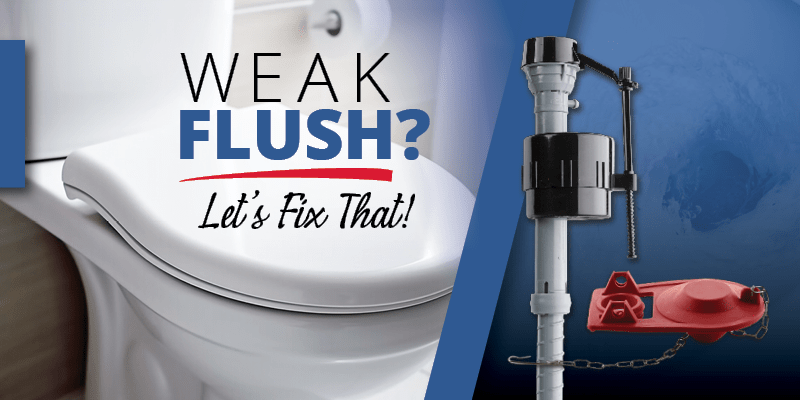
- When the water coming into the toilet is not enough to take everything away, this can lead to service calls and possible water damage from overflows. To learn more about how you can fix this, see: Weak Flush: Let’s Fix It
Parts to Stock for Faster Fixes
If you support many units, stocking the right parts reduces downtime and emergency calls.
For intermittent running / ghost flushing
- Flappers / sealing rings
- Flush valve seals or complete flush valve kits
- Tank bolts + gaskets (as needed)
For hiss/whistle after flushing
- Fill valves (your standardized model)
- Supply lines
- Shutoff valves (market preference + code compliance)
For thump/vibration
- Shutoff valves
- Supply lines
- Regulated fill valves (where needed)
Quiet Toilets Make Happier Residents
Noisy toilets waste water, increase utility costs, and generate repeat maintenance calls. By identifying the sound first and targeting the root cause, maintenance technicians can resolve most toilet noise complaints quickly.
If you’re seeing repeat toilet noise issues across multiple units, it’s usually a standardization problem, not a one-off repair. Build a simple “toilet kit,” document what works, and keep the right parts ready.
FAQs
Why is my toilet making noise when not in use?
Most often it’s toilet running intermittently due to a slow tank-to-bowl leak (ghost flushing). Check refill tube placement and flapper/flush seal first.
Why does my toilet randomly run every few minutes?
That’s typically ghost flushing toilet behavior—tank water leaks into the bowl, then the fill valve refills the tank.
Toilet making noise after flush—fill valve or shutoff valve?
If the sound is a hiss/whistle during refill, start with the fill valve debris flush. If it persists, check for restricted flow at the shutoff valve and replace as needed.
How do I know if I need toilet fill valve replacement?
Replace the fill valve if it won’t shut off cleanly, continues hissing after cleaning, or “chatters” during refill. It’s a reliable fix for recurring noise issues.
What’s the fastest fix for a running toilet during a unit turn?
If it’s intermittent running, replace the flapper/flush seal first. If it’s hiss/whistle after flush, replace the fill valve.
Why won’t the toilet bowl refill after flushing?
Check refill tube placement and ensure the fill valve’s bowl refill setting (if applicable) is correctly adjusted.
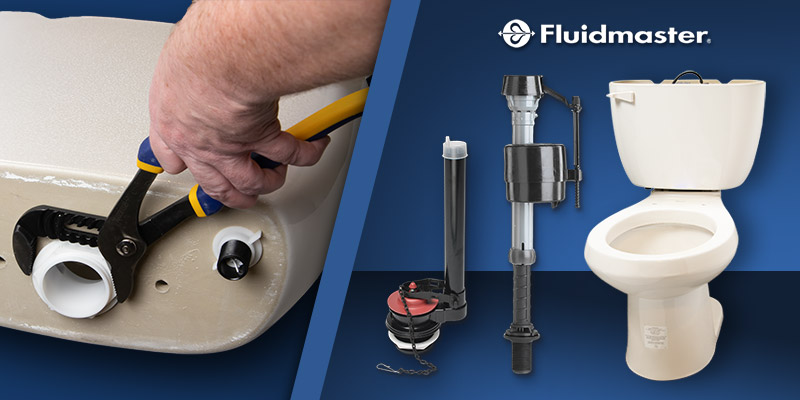
How to Replace a Toilet Fill Valve (Quick Checklist)
This is a high-volume maintenance task and a common fix for toilet making noise problems.
Tools + materials
- Adjustable wrench or channel-lock pliers
- Small bucket/towel
- New fill valve + new supply line (recommended)
Steps (fast, clean, repeatable)
- Shut off water at the wall valve
- Flush to empty the tank (hold handle to drain as much as possible)
- Disconnect supply line from the tank
- Remove old fill valve lock nut under tank
- Install new fill valve and set tank height per manufacturer instructions
- Reconnect supply line (replace if aging or stiff)
- Turn on water and check for leaks
- Set fill level (below overflow tube top)
- Confirm bowl refill (refill tube correctly positioned)
Quality check (prevents callbacks):
- No drips at supply connection
- No constant running
- Refill is quiet and shuts off cleanly within normal fill time
Callback Prevention for Multifamily Teams
Prevent repeat toilet noise calls across multiple units
Use this mini playbook during turns or when a building shows patterns:
Standardize your approach
- Always check refill tube placement first
- Replace flapper/flush seal on “random run” complaints
- Use toilet fill valve replacement when hiss persists after debris flush
- Replace supply lines proactively when they’re aged, stiff, or corroded
Document 3 things per unit
- Symptom (hiss vs intermittent run vs thump)
- Fix performed (clean, adjust, replace)
- Parts used (SKU/brand) for repeatability
Create a building “toilet kit”
- Keep the top 3 parts that solve 80% of toilet-noise calls ready to go.